Puyang Ruidaxu New Materials Company Ltd

Call us
Call us
Product Introduction
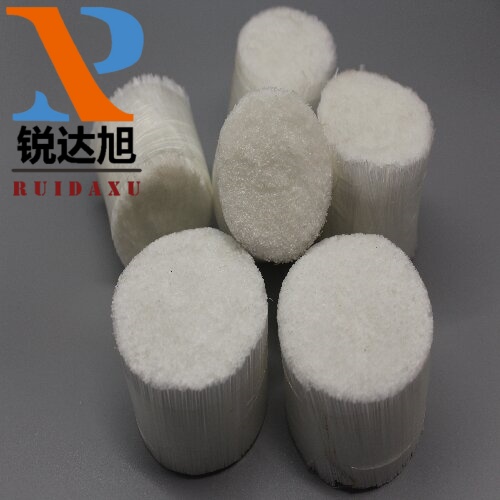
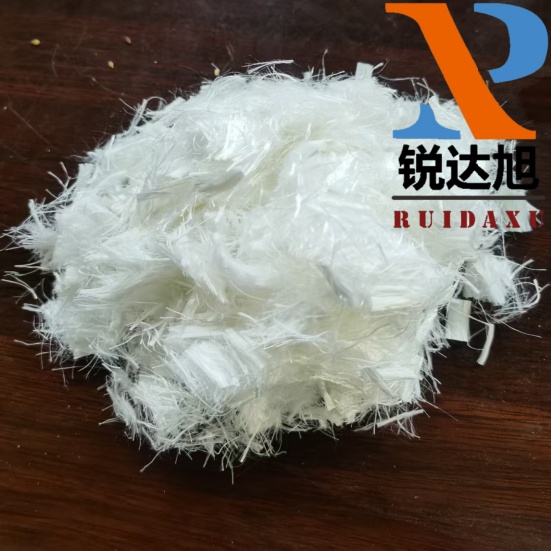
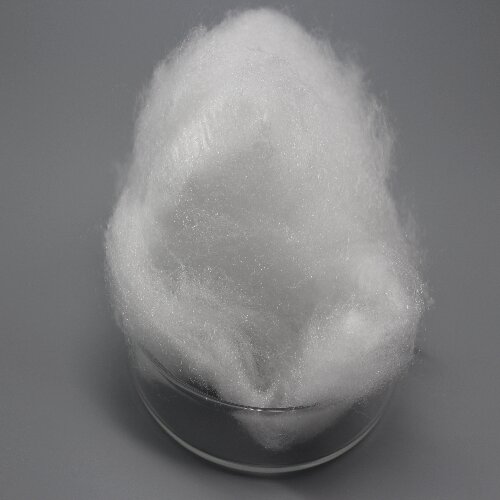
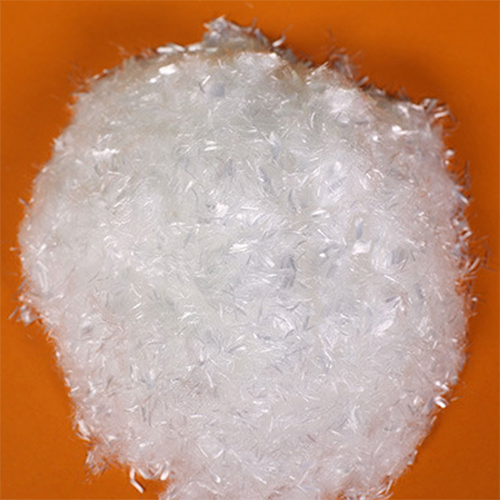
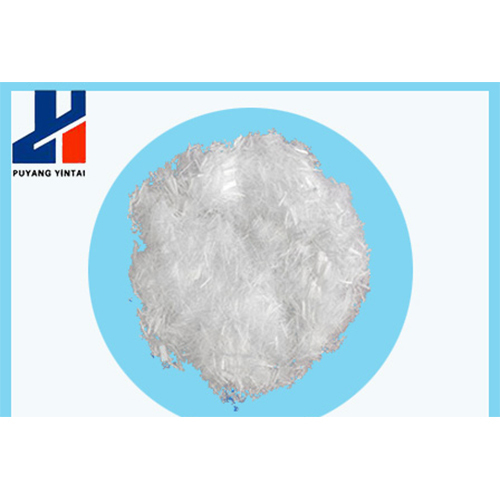
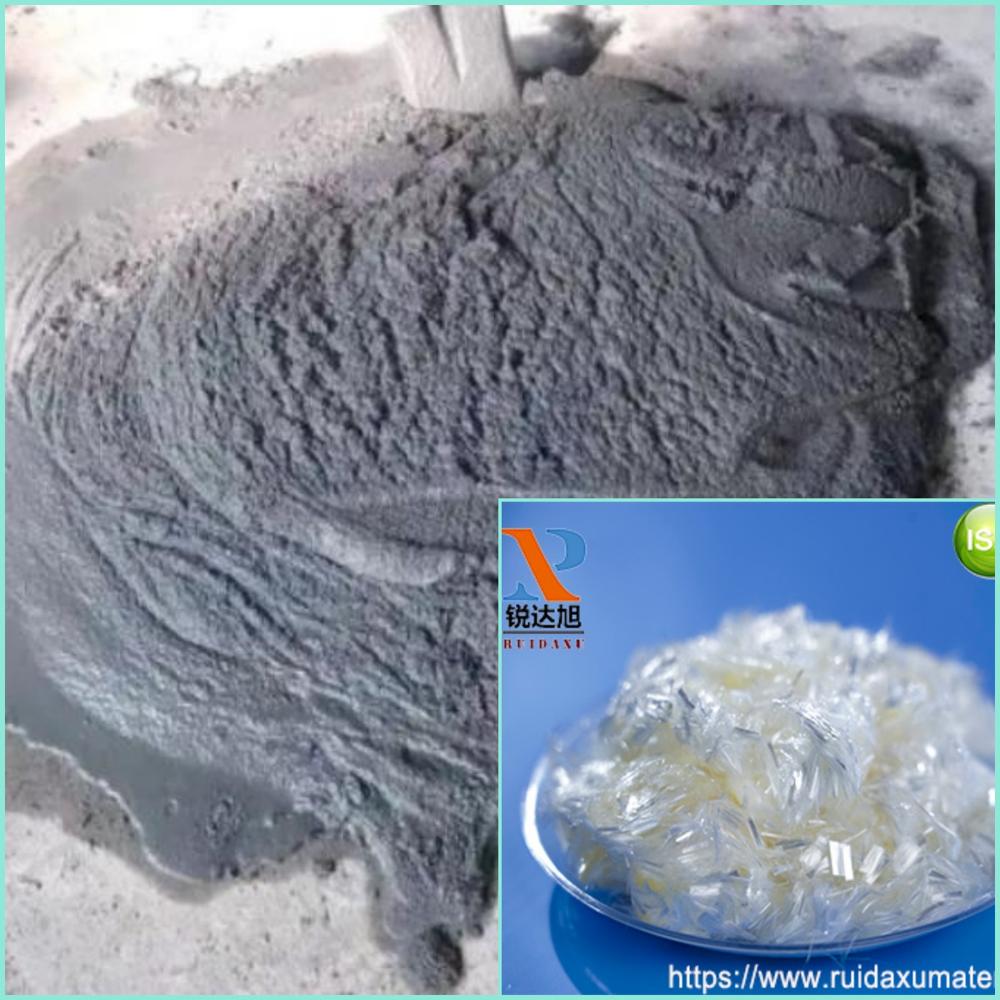
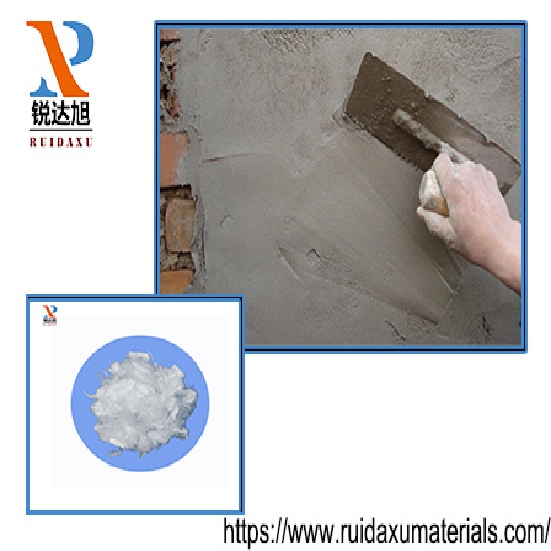
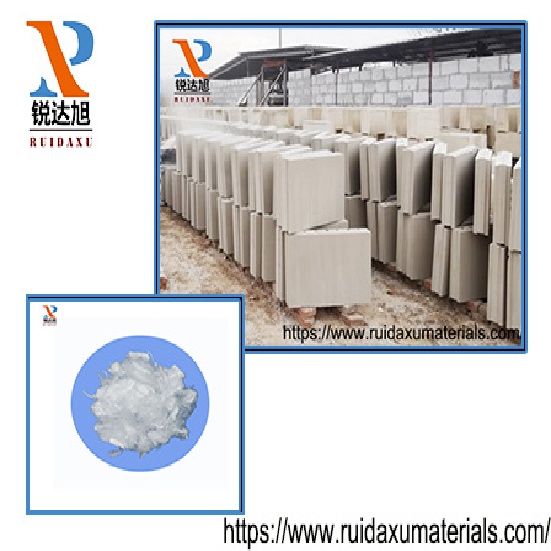
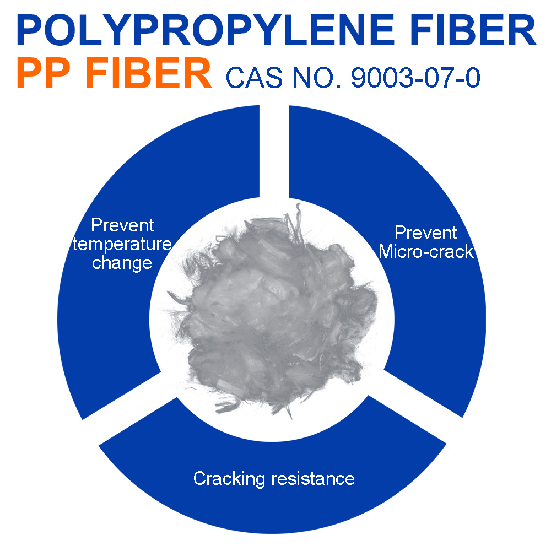
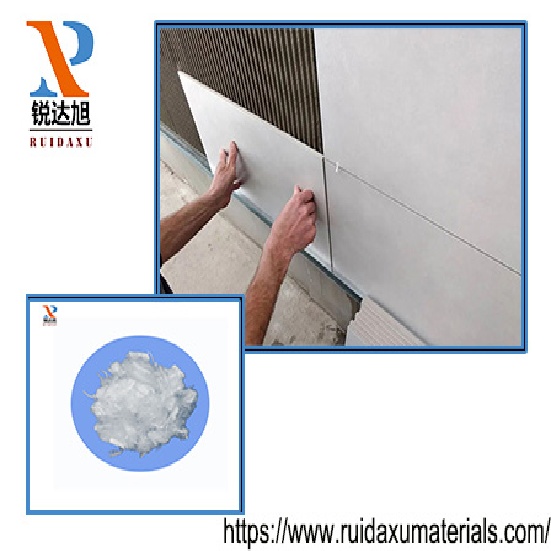
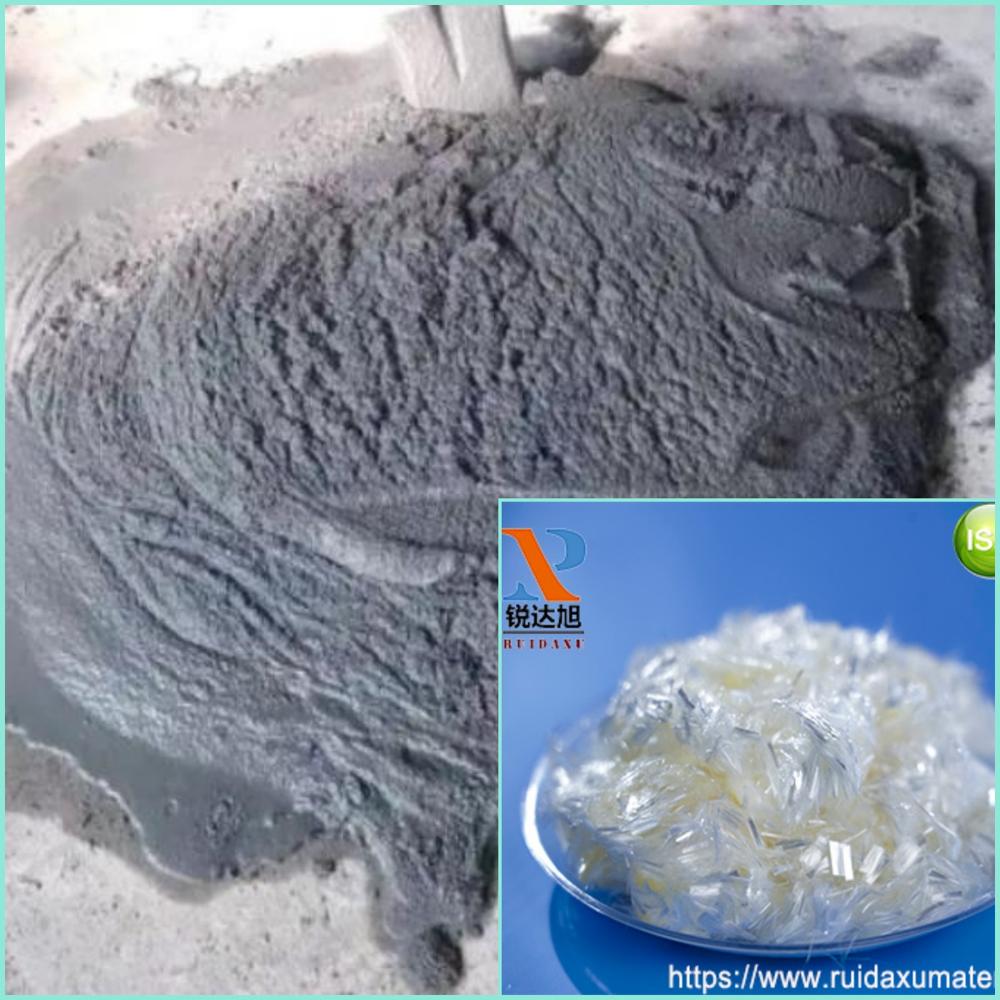
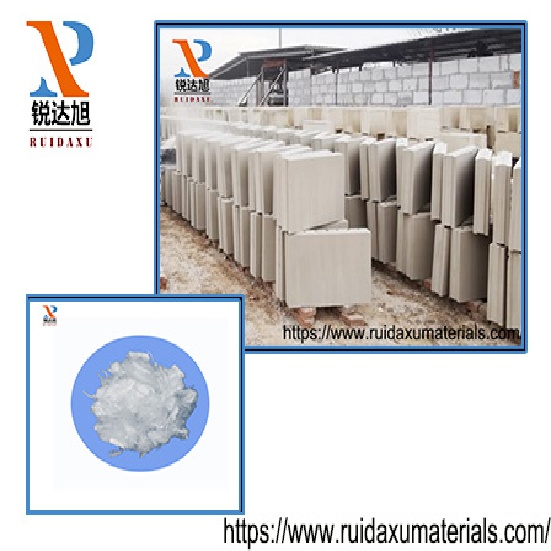
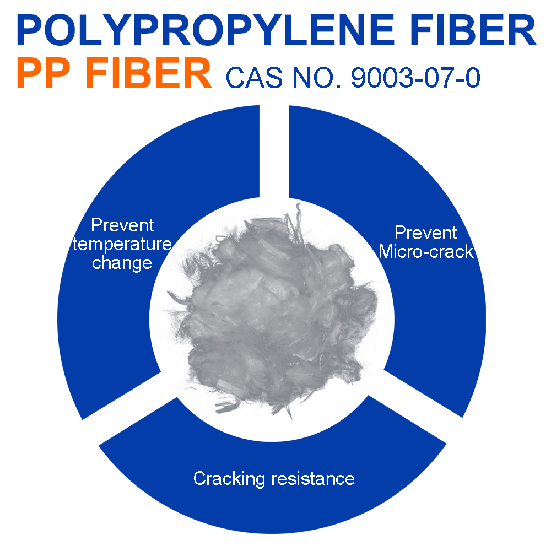
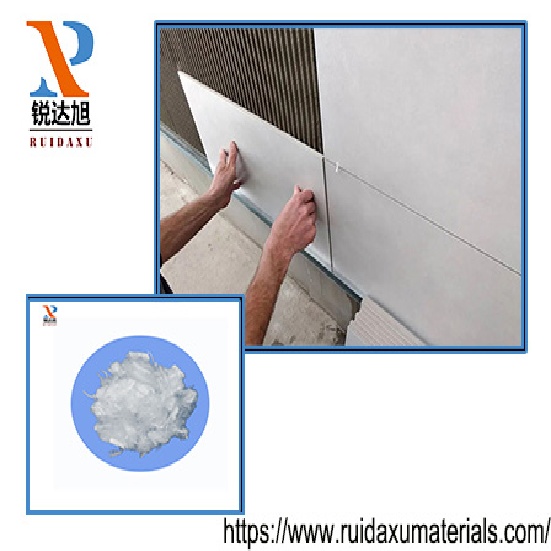
Polypropylene fiber Also known as engineering fiber, concrete fiber, crack-resistant fiber, anti-cracking fiber or synthetic fiber, plastic fiber, etc., it is a kind of high-strength bundle fiber mainly made of polypropylene and manufactured by a unique production process. When added to concrete or mortar, it can effectively control the micro-cracks caused by factors such as solid and plastic shrinkage, dry shrinkage, and temperature changes of concrete (mortar), prevent and inhibit the formation and development of cracks, and greatly improve the crack resistance, impermeability, impact resistance and seismic resistance of concrete. It can be widely used in the topcoat of bridge decks and road surfaces (highways and airport runways), various applications in mining and tunnel engineering, railways, high-rise buildings, slope fixation, fire protection facilities, concrete repair, waterproofing projects of roofs, walls, basements, water tanks and rooftop gardens in industrial and civil buildings, and various precast concrete products, etc.
Technical features
1. It is easy to disperse in sand slurry or concrete, and is not easy to solidify, effectively ensuring the exertion of its anti-cracking performance.
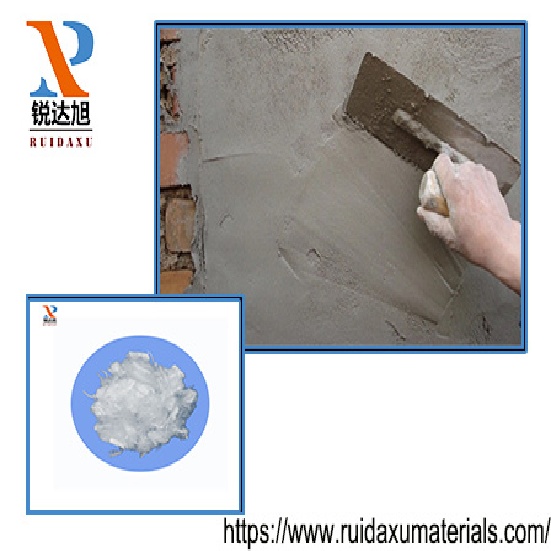
2. It is convenient to use. There is no need to change the mortar ratio. Just add the fibers to the mortar mixture and stir evenly.
3. It is more conducive to plastering. Due to the large fineness of the fibers and their uniform distribution in the mortar, it is more conducive to plastering and enhances the bonding strength between the plastering surface and the substrate.
4. The fiber has stable chemical properties and extremely strong acid and alkali resistance, and can be applied to any engineering project.

Price:

 Send Inquiry